
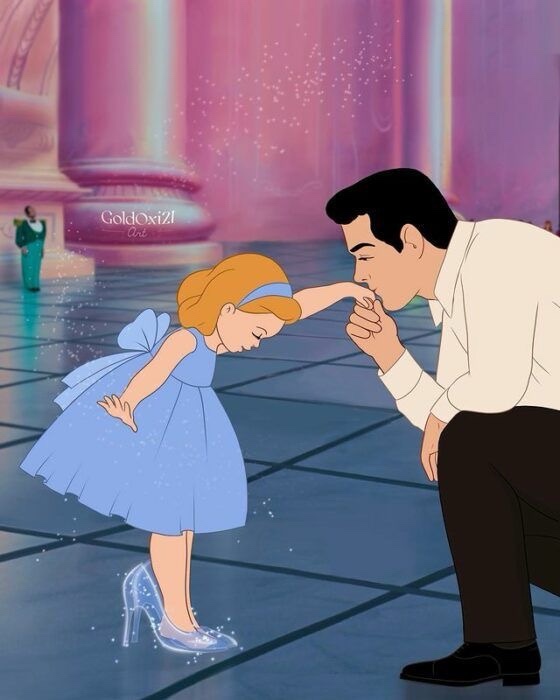
It’s Father’s Day, so naturally, I’ve been thinking about my own. About the men I’m surrounded by. About the father Jordan had, and the father he has become. About the men we lose and the ones who remain. About grief and joy and the strange way love seems to refuse to leave us, even after people do.
The older I get, the less interested I become in separating those things. Life has taught me they don’t take turns. They sit beside one another. The same heart that breaks is the same heart that laughs. The same tears that come from missing someone can arrive ten minutes before four kids start talking over one another around the kitchen table and the dogs are underfoot and somebody is making waffles. Somehow, both things are true.
And maybe that’s why Father’s Day feels less like a holiday and more like a reflection. Because fatherhood isn’t really about a single day. It’s about what gets passed down. What remains. The invisible things we inherit without realizing we inherited them.
I used to think legacy was something grand. Something reserved for extraordinary people. Buildings with names on them. Money. Accomplishments. Stories people tell at your funeral. But I don’t believe that anymore.
I’ve come to believe that good men leave more than memories. They leave examples. They teach us how to love, how to apologize, how to commit, and maybe most importantly, they teach us that strength and tenderness were never enemies.
Legacy, I’ve found, is much quieter than we imagine.
It’s insisting there is only one kind of bread crumb worth buying because that’s what your dad always used. It’s Marie Callender’s pie crust because nothing else tastes right. It’s phrases that come out of your mouth and suddenly sound like your father. It’s songs, traditions, recipes, and habits. It’s stopping for dogs. It’s Sunday afternoons and inside jokes and all of the things that seem so ordinary until one day you realize they came from somebody you loved.
Long after people are gone, their love remains. It lives in muscle memory. It lives in traditions. It lives in the way we comfort people, and the way we celebrate, and the things we reach for without thinking.
Maybe that’s what it means to leave a legacy. Not to be remembered in some larger-than-life way, but to become so woven into the lives of the people you love that pieces of you remain in their ordinary Tuesdays.
And I think fatherhood is much the same.
We’ve made fathers into strange caricatures sometimes. Stoic. Unshakable. Emotionless. As though love is somehow diminished when it’s spoken out loud. As though strength and softness are somehow at odds with one another.
But I don’t believe that. I think good men love well.
I think they say “I love you” often. I think they cheer too loudly at games. I think they cry at graduations and weddings and hold babies with tears in their eyes. I think they hug their children and tell their wives they’re beautiful. I think they aren’t afraid to let the people around them know they matter.
Good men understand that love isn’t something to be guarded or rationed. They know there is enough of it. They know that being needed is a privilege, not a burden. They know that showing emotion isn’t weakness. It’s evidence that they have loved deeply enough for something to move them.
And maybe commitment is the purest form of love there is. Not because it’s glamorous, but because it isn’t.
It’s staying when things are hard. It’s choosing your family over and over again. It’s making breakfast before soccer games and answering the same question for the hundredth time. It’s carrying heavy things. It’s apologizing when you’ve gotten it wrong. It’s showing up when you’re tired and trying again tomorrow.
Most children won’t remember every lesson their fathers taught them. But they’ll remember how home felt. They’ll remember whether love was spoken freely. They’ll remember whether they felt safe. They’ll remember whether someone showed up.
Years from now, they may not remember the ordinary Tuesday nights that seemed so unremarkable at the time. But they’ll buy the same bread crumbs. They’ll tell the same stories. They’ll stop to pet dogs. They’ll love their own children in familiar ways and wonder where they learned them.
And maybe that’s the strange gift of grief.
The fathers we grieve and the fathers we celebrate are often having the same conversation with us. One through memory, and one across the dinner table.
One reminding us where we’ve been.
The other showing us where we’re going.
Because grief isn’t the opposite of joy any more than love is the opposite of loss. They are companions. The same heart that aches is the same heart that laughs. The same life that knows sorrow is the same life capable of extraordinary happiness.
Perhaps that is the closest thing we have to immortality.
Not monuments. Not achievements. Not even memories.
Just the quiet hope that years from now, someone reaches for the Progresso bread crumbs without thinking.
And in that small, ordinary moment, remembers what it felt like to be loved.


Leave a Reply